


How to Choose the Right Length and Density for Human Hair Extensions?

Choosing the right hair extensions is not only about selecting a beautiful colour or texture. Length and density play an important role in creating a natural, balanced hairstyle. The right combination can add noticeable volume, extend your hair length and help extensions blend smoothly with your natural hair. Human hair extensions are particularly popular because they offer natural movement, styling flexibility and a realistic appearance when properly matched to your hair type.
Understanding your desired look before purchasing 100% human hair extensions can make the selection process much easier. Whether you want subtle volume, dramatic length or a complete hairstyle transformation, you should consider your natural hair length, thickness, texture and everyday styling routine. Selecting the correct density is equally important because extensions that are too heavy or too thin may not blend properly.
Why Length Matters When Choosing Hair Extensions?
Hair extension length determines how dramatic your final hairstyle will look. Shorter extensions are generally suitable for adding modest length and volume, while longer options can create a more noticeable transformation.
For example, someone with shoulder-length hair who wants a natural enhancement may prefer medium-length extensions rather than choosing extremely long pieces. A large difference between natural hair length and extension length can make blending more difficult, especially if the natural hair is thin.
If your goal is to create hair extensions for length, consider how far you want your finished hairstyle to fall. Extensions that reach the middle of the back create a different appearance from those that fall near the waist. Your height and body proportions should also be considered because the same extension length can appear different on different people.
Common Hair Extension Lengths
Hair extensions are commonly available in several lengths, making it easier to select an option according to your desired hairstyle.
12 to 14 Inches:- This length is suitable for adding a little extra length and volume while maintaining a relatively natural appearance. It can work well for shorter hairstyles and people who want a subtle change.
16 to 18 Inches:- Medium-length extensions are a popular choice for everyday hairstyles. They provide noticeable length while remaining easy to manage and style.
20 to 22 Inches:- These longer extensions can create a glamorous appearance while still being practical for regular styling. They are suitable for people who want a significant increase in length.
24 Inches and Longer:- Extra-long extensions are ideal for dramatic hairstyles, special occasions and people who want considerable length. However, longer hair generally requires more maintenance and may need additional density for proper blending.
What Is Hair Extension Density?
Density refers to how much hair is included in an extension set and how full the finished hairstyle appears. Length and density should be considered together because longer hair usually requires sufficient fullness to maintain a balanced appearance.
If you have naturally fine hair, choosing extremely dense extensions may create an obvious difference between your natural hair and the added hair. On the other hand, people with thick hair may need a higher-density set to achieve seamless coverage.
The goal is to create a gradual transition between your natural hair and the extensions rather than making the added hair look noticeably heavier.
Choosing Density for Fine Hair
Fine or thin hair generally benefits from lightweight extensions. Clip-in hair extensions can be a practical choice because you can control how many pieces you apply and remove them when they are not needed.
For fine hair, avoid adding excessive weight. Too much hair can make the hairstyle uncomfortable and may place unnecessary tension on the natural hair. Lightweight pieces can provide additional fullness while maintaining a more natural appearance.
Choosing Density for Thick Hair
Thick hair often requires more extension hair to create a seamless blend. If the extensions are too thin compared with your natural hair, the difference may be visible at the ends.
People with thick hair can consider higher-density human hair extensions or multiple extension pieces distributed evenly throughout the hair. Proper placement is essential for creating a balanced result.
Match Length and Density Together
One of the most common mistakes is selecting length without considering density. Longer extensions need enough fullness to maintain a proportionate appearance.
For example, very long but low-density extensions may appear thin toward the ends, particularly when combined with thick natural hair. Similarly, very dense extensions may look unnatural when used with fine hair.
A professional stylist can assess your natural hair and recommend an appropriate combination of length and density.
Consider Your Hair Texture
Texture also influences how extensions appear after installation. Straight hair extensions can blend easily with naturally straight hair, while body wave hair extensions can add movement and volume to wavy hairstyles.
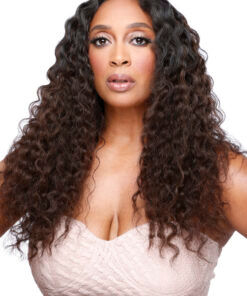
People with naturally curly or textured hair may prefer curly hair extensions that closely match their existing pattern. Choosing a similar texture reduces the amount of heat styling required and can create a more cohesive appearance.
Think About Your Desired Hairstyle
Your preferred hairstyles should influence the extension length and density you choose. If you regularly wear ponytails, braids, buns or layered hairstyles, select extensions that provide enough length and fullness for those looks.
For everyday wear, moderate-length extensions may be easier to maintain. If you mainly need extensions for weddings, parties, photographs or other special occasions, longer and fuller options may provide the dramatic effect you want.
Choosing Between Extension Types
Different application methods can affect how much hair you need.
Tape-in hair extensions are designed to sit close to the scalp and can provide a discreet way to add length and volume. Clip-in hair extensions are convenient for temporary styling and allow you to adjust the amount of hair according to your desired look.
Sew-in hair extensions can provide a secure installation, particularly for people seeking a longer-lasting hairstyle. The best method depends on your hair condition, lifestyle, maintenance preferences and desired result.
How to Achieve a Natural Blend?
Regardless of the length and density you choose, blending is essential. Ask a professional stylist to layer or trim the extensions if necessary so they transition smoothly into your natural hair.
Colour matching is equally important. Natural-looking hair extensions should complement the colour and texture of your existing hair. If your hair contains highlights, balayage or multiple tones, consider extensions that provide a closer colour match.
Conclusion
Choosing the right extension length and density requires consideration of your natural hair thickness, current length, desired hairstyle, texture and lifestyle. Rather than choosing extensions based only on how they look in photographs, think about how they will work with your existing hair.
How to identify the right extension length and density depends on your natural hair thickness, current length, desired hairstyle, texture and lifestyle. Rather than choosing extensions based only on how they look in photographs, consider how they will blend with your existing hair. The right combination should provide comfortable wear, balanced volume and a seamless appearance. Whether you want additional length, fuller ends or more styling versatility, selecting the appropriate hair extensions can help you achieve a polished and natural result.

Comments